










Auto Parts Search Engine Optimization – How to Drive More customers Online

Today, more and more consumers are turning to online searches to find the auto parts they need. Whether someone needs a new set of brake pads or a replacement radiator, chances are they will search for it online before making a purchase decision.
This presents a major opportunity for auto parts retailers and wholesalers. By optimizing your website and online presence for relevant search queries, you can drive more of those high-intent shoppers to your digital doors. The key is understanding the basics of search engine optimization (SEO) and developing an effective strategy tailored to the auto parts industry.
As an auto parts SEO expert with over 10 years of experience, I have helped countless retailers capitalize on this opportunity. In this comprehensive guide, we will cover everything you need to know about optimizing your website and bolstering your visibility to connect with more customers searching for parts online.
We will explore topics such as:
- What SEO is and how search visibility works for auto parts sites.
- The business benefits of implementing an SEO strategy.
- An in-depth SEO roadmap tailored specifically for parts retailers.
- Advanced optimization tips for boosting organic and local search traffic.
- How to measure the success of your efforts.
- Finding the right SEO agency partner for long-term growth.
I will provide actionable advice drawn from extensive hands-on experience in this niche, so you can confidently improve your SEO for auto parts website step-by-step. With the right strategy, your website and online presence will become a magnet for high-quality customers — even in our increasingly competitive digital landscape.
Whether you are a small independent parts shop or a national auto parts chain, this guide contains tips and insights that can expand your reach online and drive sustainable growth for your business over the long run. Let’s get started!
What is SEO for Auto Parts Shops? The Key to Long-Term Online Growth

Search engine optimization (SEO) may sound technical, but it simply refers to the process of optimizing a website to rank better in search engines like Google and Bing. For auto parts retailers specifically, SEO is crucial for tapping into online demand and driving sustainable organic growth year after year through relevant search queries.
Between 2012 to 2019 alone, auto and auto parts eCommerce revenue in the U.S. more than doubled to over $57 billion. And it is projected to grow by another $6 billion in the next three years as consumers increasingly turn to online searches to find parts.
With over 50% of web traffic and 41% of online revenue attributable to search engines, claiming visibility in those search results is mission-critical for auto parts success today. An effective SEO strategy tailored to this industry can help retailers large and small organically grow their reach and sales over time.
Crafting an SEO Strategy With Long-Term Business Goals in Mind
The key is approaching SEO not as a short-term tactic, but as a long-term competitive growth strategy aligned with your specific business goals and target audience.
For B2B auto parts companies, robust SEO can expand commercial reach and dominance for high-traffic parts keywords. For consumer-focused retailers, SEO provides affordable and sustainable growth without an expensive ad budget.
Once implemented, an optimized site will passively bring in quality traffic for years through organic, referral, and social channels. Both head and long-tail keywords keep searchers engaged across the shopping funnel, while increasing overall brand visibility as a key player in the space.
In short, SEO is the most cost-effective way to grow an auto parts business online over the long run. And in this guide, we will cover time-tested best practices tailored for parts retailers to make SEO work towards their specific goals and audience on an ongoing basis.
Why Your Auto Parts Business Needs SEO to Compete in the Digital Age
As referenced earlier, online demand for auto parts has exploded in recent years. Between 2012 to 2019, eCommerce revenue for this industry doubled to over $57 billion in the U.S. alone.
Auto parts retailers that lack visibility in those online searches are missing out on tapping into this rapidly growing channel, while visible competitors claim that organic traffic and sales year after year.
Below we will explore key reasons why implementing an SEO strategy needs to be a priority for parts retailers who want to compete and win online traffic over the long run:
1. More Consumers are Searching for Parts Online Than Ever
According to surveys, a full 82% of auto parts shoppers now begin their purchase journey with an online search. Of those online searches for parts, 46% start right on Google itself.
If your shop does not rank well for relevant searches, it means you are invisible to nearly half of parts buyers when they are ready to make a purchase decision. Claiming that visibility is critical, as buyers are more likely to click and trust listings near the top of Google’s organic results.
2. SEO Delivers Highly Qualified Traffic Over Time
SEO differs from paid ads in that it targets buyers based on what they are actually searching for. This means the website visitors driven through organic search tend to become highly qualified sales leads.
While paid ads can drive awareness too, SEO generates consumer intent and interest for free while building authority around keywords that are directly tied to products. The result is the most qualified traffic that converts at the highest rates.
3. It Levels the Playing Field Against Larger Competitors
A well-optimized website can outrank even the biggest auto parts sites on key terms through relevant, high quality content and consumer trust signals.
In other words, SEO can help small independent parts shops effectively compete on an even playing field versus chains with bigger marketing budgets. By playing the long game, they too can cost-effectively build domain authority and ranking power over time.
The Bottom Line
SEO is no longer optional, but mandatory for competing as an auto parts retailer in the digital age. Falling behind on search visibility means funneling potential customers to competitors when buyers are ready to purchase.
With this guide, auto parts businesses of all sizes can start to claim their share of voice and organic visibility to drive sustainable growth year after year. Let’s dive into the specifics of core SEO strategies for this industry.
Types of SEO for Auto Parts Retailers: Organic and Local

There are two key types of SEO that auto part retailers need to balance as part of their overall search optimization strategy: organic SEO and local SEO. While principles overlap, there are some best practices unique to each that serve different but aligned goals.
Organic SEO: Building Authority on Industry Keywords
Organic search engine optimization refers to strategies aimed at ranking highly in search engines’ non-paid results for relevant keyword searches.
For the auto parts space specifically, examples would include thousands of related parts terms, ranging from general queries like “brake pads” to precise part numbers.
The goal of organic SEO in this niche is building domain authority and trust signals around terms core to the automotive parts industry itself. This expands visibility and traffic from high-volume national searches over time.
Key organic efforts include technical SEO, optimizing page speed and navigation, enriching parts content with schema markup, earned backlinks from major outlets, and more. We will cover proven organic growth strategies tailored for parts sites in detail later in this guide.
Local SEO: Geo-Targeted Visibility for Nearby Customers
While organic SEO casts a wider net, local SEO is crucial for targeting potential auto parts buyers searching for shops in close proximity for same-day or urgent needs.
According to Google’s internal data, over 50% of searches for items available locally now carry geographic intent. Auto parts local SEO allows retailers to surface to the top of those searches and map packs for their specific metro area.
Tactics range from local keywords and schema markup on pages to structured local data in Google My Business profiles. We will explore step-by-step local optimizations any parts shop can implement to boost visibility and conversions from local searchers.
Balancing Both for Comprehensive Search Visibility
Maintaining robust organic and local SEO in tandem allows auto parts sites to surface prominently both nationally and locally across relevant search queries.
This comprehensive approach accounts for all types of buyer journeys – from general research to urgent repair needs requiring local inventory lookup and same-day purchasing.
In the next sections, we will explore proven strategies to expand reach and sales through both organic and localized search dominance specific to this vertical.
Auto Parts SEO Roadmap: How to Build a High-Performance Website From the Ground Up

Now that we have covered the importance of SEO for driving qualified organic traffic, let’s explore an actionable roadmap for optimizing an auto parts site from scratch or revamping an existing one.
Whether launching a new online store or looking to modernize, this phased playbook will set you up for search success over both the short and long-term.
Choose a SEO-Friendly Domain Name
While it may seem simple, choosing the right domain name lays the foundation for signaling relevancy to search engines.
Aim for an exact match domain containing your most important keywords, such as OnlineBrakePads.com or DetroitAutoParts.com. Avoid overstuffing though, as search engines will flag spammy domains with thin content.
If your existing domain is problematic or not seamlessly scalable, consider acquiring a new one more aligned to growth goals before going deeper on website investments.
Craft a Compelling Website Centered on the Ideal User Experience
Beyond search bots, catering to real auto parts buyers with an easy-to-use, mobile-friendly site drives conversions and buyer satisfaction over the long run.
Some best practices here include:
- Clean, distraction-free templates that load fast.
- Modern design and aesthetics – don’t appear outdated.
- Simple, well-marked navigation and natural IA.
- Focus on ample imagery and rich parts descriptions.
- Integrate custom parts number lookup.
Optimize Your Site for 100% Mobile Responsiveness

With over 60% of parts searches now on mobile, a lagging mobile experience destroys conversions. Technical elements like fast-loading pages, tap targets, and structured data take on heightened importance.
Eliminate mobile pain points through testing and modern best practices. Auto parts buyers demand convenience and answers quick – deliver that via mobile to win.
Optimizing On-Page Tags and Metadata for Maximum SEO Value
Optimizing your site’s HTML title tags, meta descriptions, and heading tags may seem basic, but doing so correctly lays the foundation for improved search visibility, higher click-through rates, and greater conversion potential from search over the long run.
Craft Title Tags That Magnetize Clicks From Searchers
The title tag serves two key objectives:
- Signaling topical relevance to search engines via target keywords
- Compelling users to click from SERPs by making an enticing promise
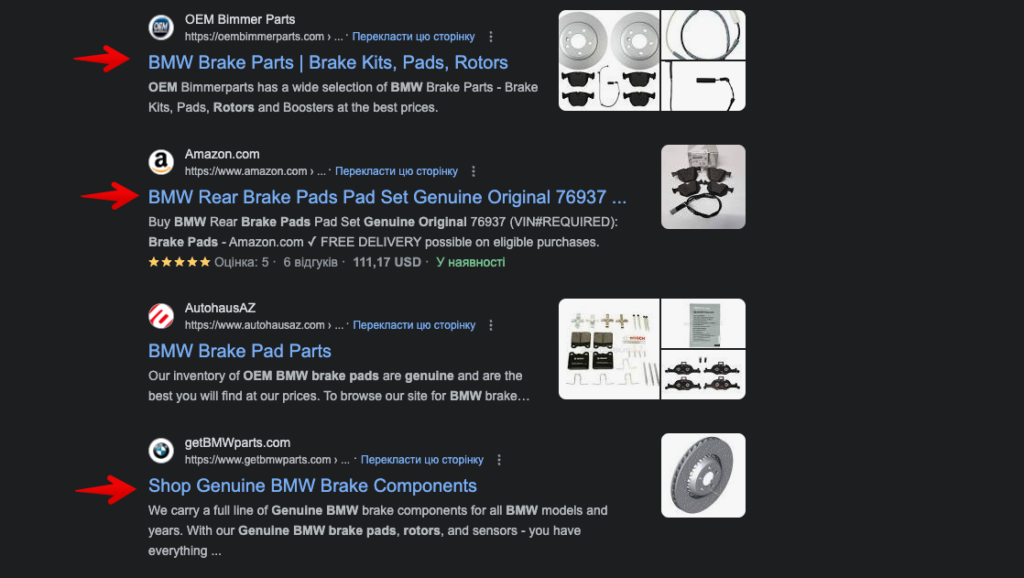
Ideally under 67 characters, title tags should clearly reflect the page’s focus keyword phrase to indicate its relevance, while inciting action via urgent value propositions.
Including your brand name also builds familiarity and trust to boost click propensity. For example, a product page would seamlessly integrate parts terminology alongside strong calls-to-action:
[Brand] Genuine OEM BMW Brake Pads – Huge Inventory, Low Prices & Fast Shipping
When optimizing title tags:
- Map target keywords to each page, then integrate key phrases accordingly
- Ensure branding is clearly visible
- Keep titles concise yet descriptive – every character counts
- Don’t over-optimize with excessive keywords – one coherent phrase is sufficient
Meta Descriptions – Advertise Your Unique Value Propositions
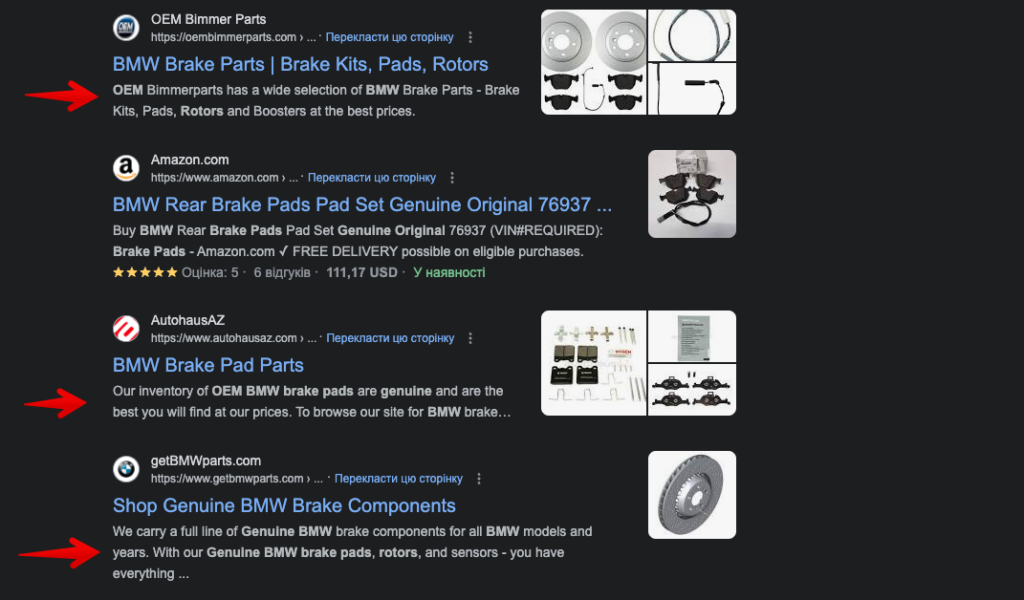
While Google may choose to override submitted meta descriptions with page excerpt text, crafting compelling 160 character descriptions remains valuable for added SEO context and calls to action aimed at high-intent visitors.
Effective descriptions should:
- Feature target keywords seamlessly within copy
- Summarize why the page is relevant and worth visiting
- Highlight unique value propositions like pricing, vast inventories or fast shipping times
- Include clear calls-to-action to visit the site or particular page
For example:
Browse our vast catalog of OEM and aftermarket BMW parts with free shipping. Unbeatable prices and inventory for brake pads, filters, lights, and all maintenance parts – order online now!
Such compelling ad previews build urgency and increase potential for attracting searchers from SERPs.
Headings Organize Page Content For Search Visibility
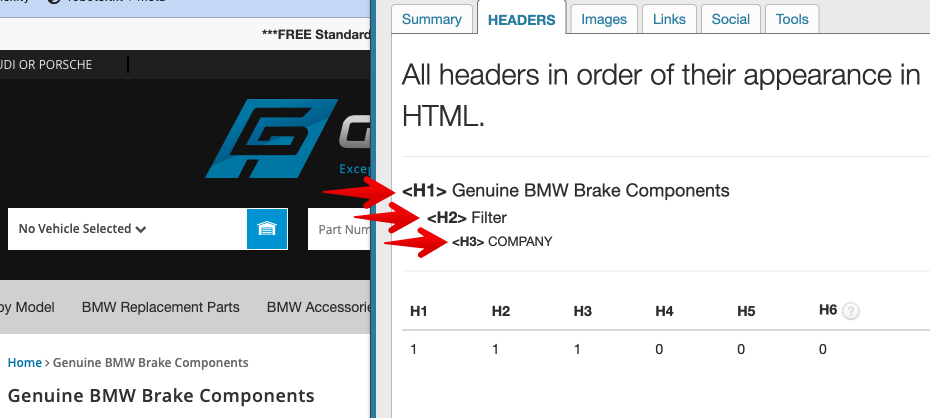
Proper heading tag hierarchy from H1 down through H6 tags helps search bots logically parse page topics and content structure.
H1 tags should broadcast the primary focus keyword theme, while subsequent headings clearly divide information into scannable sections underlying that main topic. This organization aids comprehension.
The Compound Impact – Higher Rankings, Clicks & Conversions
Together, tightened up page-level tags and metadata help both search bots and customers better understand site pages, ultimately earning elevated rankings for focused keywords as well as higher motivation for visitors to click from SERPs.
The incremental benefit of optimizing tags across entire auto parts sites builds over the long run, setting the stage for sustainably visibility, traffic and conversions.
Dynamic SEO Strategies For Scaling Auto Parts Ecommerce

Implementing robust dynamic SEO strategies is mandatory for auto parts retailers with vast and constantly evolving product catalogs. Proper optimization benefits both site usability and search visibility over the long run.
URL Variants and Canonicalization
Canonicalizing product URLs using key differentiating parameters helps simplify site information architecture while maintaining crawlability for search bots.
Vehicle characteristics make the most logical differentiators to structure URL variants, typically ordered from most to least important:
Make > Model > Trim > Year > Part Type > Part # > Sub-Part #
This improves user experience by surfacing the most relevant attributes as layered navigation filters, while enabling search engines to still understand unique listings through a singular canonical product URL pointing to the source of truth.
Balancing Site Depth and SEO auto parts keywords Dilution
A common strategy is deep site architecture with categories filtered by every vehicle specification combination. But excessive unique pages dilutes the search visibility and ranking potential for each.
Alternatively, too few generically generalized bigger parts categories makes navigation unwieldy for visitors.
The solution is optimizing site structure depth based on search volume and customer conversion pathways. Blend specific and generalized categories to best meet needs on both fronts.
Optimize For Both Parts Names and OEM Identification Numbers
When it comes to auto parts, shopper journeys differ. Some customers know precisely the descriptive name of the part they need. Others only have the OEM part number available from their vehicle repair manual or service receipt.
Since searcher intent varies, ecommerce sites must target optimize content for both parts name terminology as well as specific identification numbers.
Though exact match part numbers may not have high search volume based on keyword tools, aggregate site analytics related to impressions and clicks for those queries often reveals more substantial latent demand.
Ensure relevant pages incorporate parts numerology as well as descriptors within page titles, H1 tags, image filenames and alt text, schema markup, and body content to connect with more searchers.
Incorporate Specific Vehicle Makes, Models and Years
Rather than target only generic parts terms, searchers very often include their specific vehicle make, model and year within their queries. Building out pages optimized and content created accordingly captures more of these longer-tail but common queries.
For example “2007 Toyota Camry Brake Pads” rather than simply targeting the broader term “Brake Pads” alone. Match relevancy signals directly to how end-user customers actually search.
Getting product pages, content, and keywords tailored to these dynamic strategies helps auto parts sites scale inventory while keeping both ecommerce visitors and search bots happy.
Crafting an Auto Parts Marketing Plan With Strategic Keyword Research
While a critical first step, too few auto parts retailers invest sufficient time into thoroughly researching and mapping the optimal keywords and long-tail variations to target. This process is invaluable for resonating with parts buyers throughout every stage of their online journeys.
Comprehensive Research Reveals True Market Demand
Rather than assumptions, in-depth keyword analysis leveraging tools like Google’s Keyword Planner reveals the precise terminology and long-tail variations that buyers commonly utilize when searching for parts information and vendors online. The hard data doesn’t lie in accurately quantifying actual search demand.
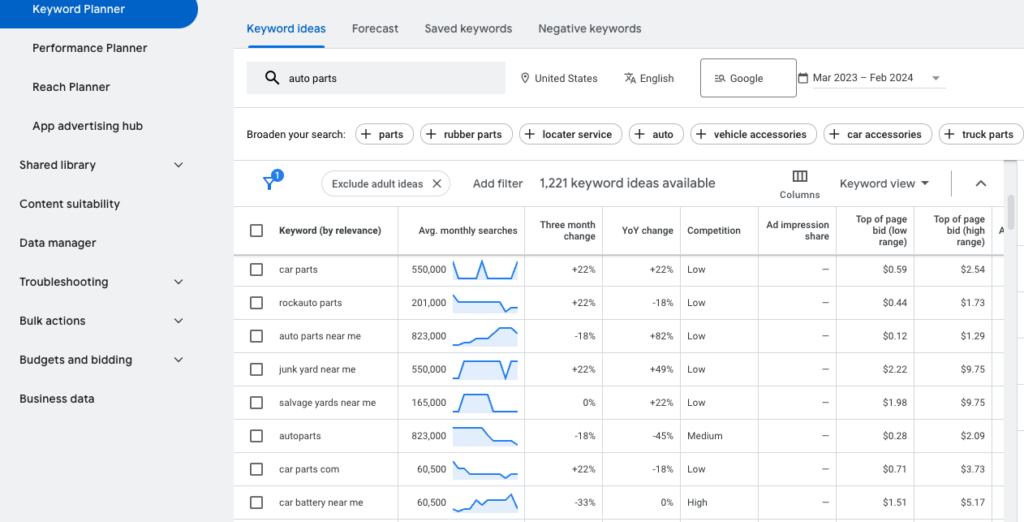
This process pays dividends over the long haul by directing websites, content strategies and page-level optimization to more closely match how contemporary consumers truly discover, research and vet aftermarket parts before ultimately purchasing.
Macro-level reporting from Keyword Planner supplemented by site-specific analytics within Google Search Console provides invaluable visibility into overall market search trends and granular insights into query volumes specifically impacting auto parts sites.
Pick Primary Keywords Balancing Volume Against Intent
With a mountain of possibilities, retailers must isolate a primary tier list of core parts, vehicle and industry keywords that command substantially high search volume while still indicating strong purchasing intent.
Generic one-word terms like “parts” often lack buyer readiness to transact, making them poor performers despite high traffic potential. Instead, give precedence to longer permutations that denote product commitment – terms like “brake pads”, “replacement” and specifiers of parts types, conditions (OEM, used, remanufactured) and vehicle attributes.
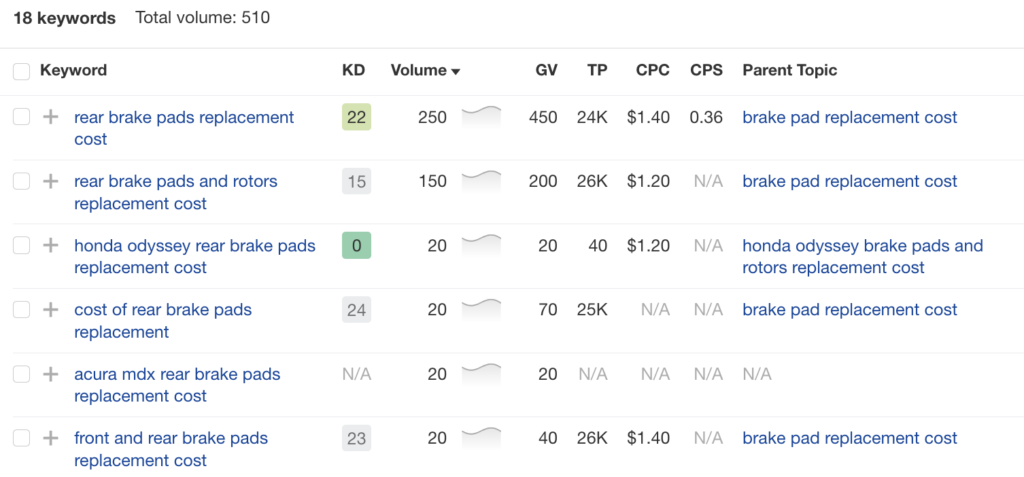
Optimizing pages and content for these “middle-tail” variations improves end conversion potential once on-site by supplying highly relevant results to match visitors’ precise needs. Laser focus on specificity.
Incorporate Both Top-Funnel and Bottom-Funnel Keywords
Broad terms like “brake pads” build awareness among early-stage researchers first entering the evaluation phase.
But precise long-tail queries like “semi-metallic ceramic brake pads for 2004 Ford F150” demonstrate acute product interest and intent that sparks immediate action.
An effective strategy combines both keyword types across pages to attract wide-reaching early-stage researchers just learning as well as deal-ready visitors closer to converting based on their advanced requirements. Cover all phases of the journey through taxonomy.
Data Should Direct Ongoing SEO Decisions and Content Production
Let search analytics guide where sites place SEO investment priority regarding pages, title tags, site architecture and blog themes. Create educational content that answers the most common questions searchers ask. Continually assess new optimization opportunities through refreshed keyword reporting.
Information enhances algorithmic performance. SEO and content built on consumer search habits – rather than assumptions – simply converts better over time.
Comprehensive Local SEO Strategies to Attract Nearby Customers
While national organic visibility drives volume, hyper-local SEO is equally critical for targeting potential auto parts buyers searching for stores in close proximity to facilitate urgent purchases or returns. Let’s explore a wide range of optimizations to prominently surface across these “near me” and “in my city” queries.
1. Optimize Pages for Local Keywords and Location Relevancy
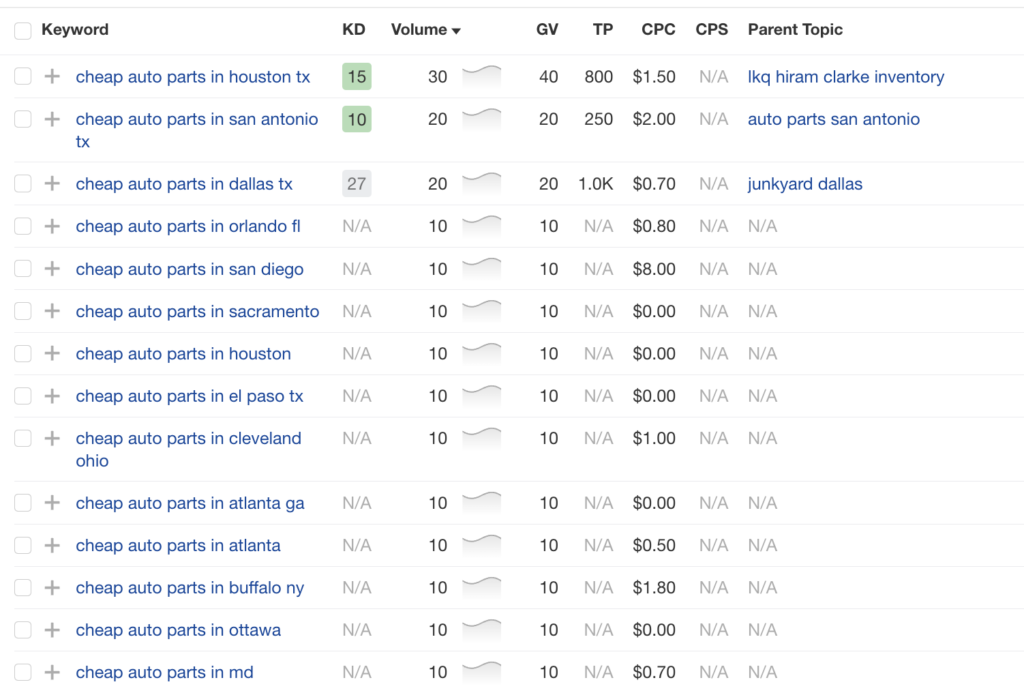
Start by expanding traditional parts keywords by appending geographic modifiers like city names, suburbs, counties, metro areas and local nicknames. This clearly signals proximity relevance to Google and Bing’s local ranking algorithms.
“Toyota Camry Brake Pads Champaign”
“Nissan Altima Rotors Springfield”
“Diesel Truck Parts DFW”
Prominently reference specific shop locations onsite through address schema markup, dedicated store locator pages listing all outlets, and unique localized content like “best cheap auto parts stores in Milwaukee” guides.
2. Complete and Optimize Google My Business Listings
As Google owns ~90% of local search, all physical locations must have complete and fully optimized Google My Business profiles. This includes:
- Accurate business information like shop name, category and services
- Up-to-date location addresses, operating hours and contact details
- Location specific imagery, virtual tours and videos
- Descriptions of parts inventory, brands and specialties
- Responsive answers to user questions and reviews
Profiles should be monitored and updated continually as changes occur.
3. Get Listed on Relevant Local and Industry Directories
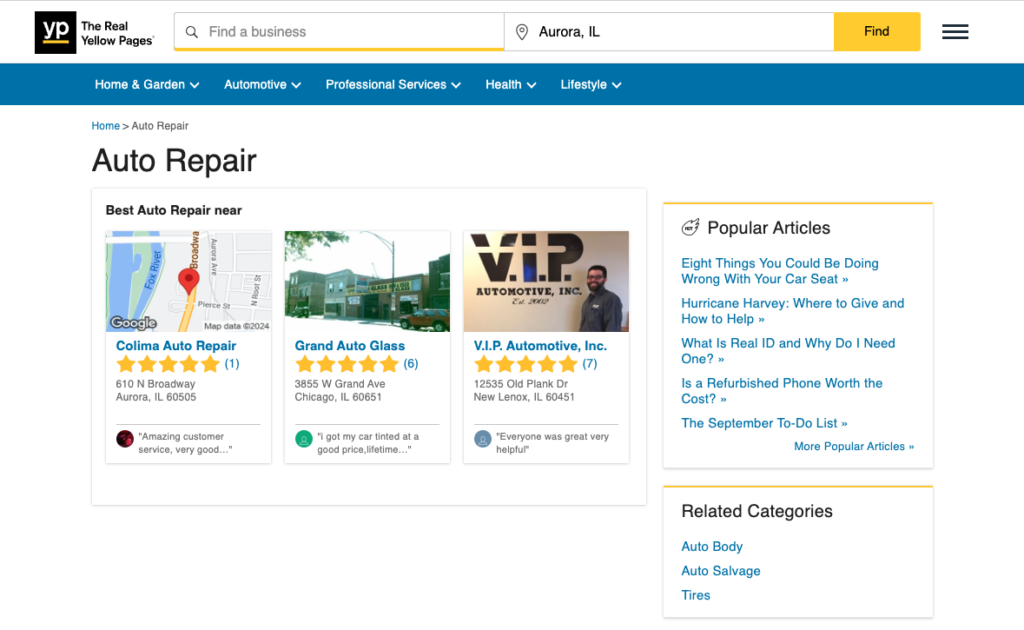
Expand visibility across both local-focused and automotive niche directories and citation sources such as Yelp, Mapquest, Hotfrog, Yellow Pages and niche parts directories.
Backlinks and consistent NAP citations from 50+ diverse, trusted directories build local SEO authority and domain credibility.
4. Build Hyperlocal Link Profiles
Earn editorially given links from newspaper sites, city guides, local auto blogs, regional motor sports sites and similar trusted hyperlocal sources to further validate location relevance.
5. List All Physical Locations on Site’s Contact Page
A dedicated contact page that comprehensively lists every shop location, full address and phone number helps search bots properly index and cross-reference physical footprints. This strengthens overall local SEO potential.
6. Encourage Customer Reviews on GMB Listings
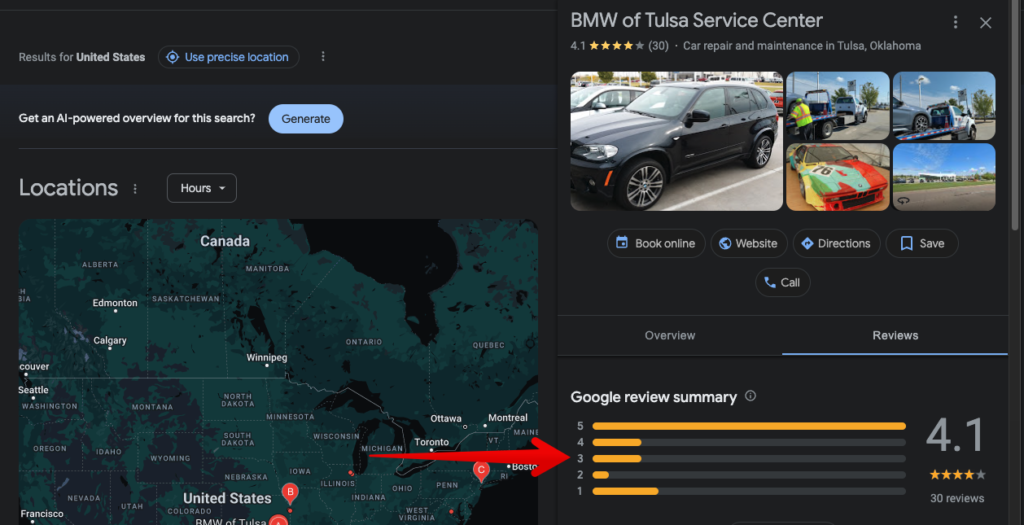
Positive sentiment reviews and high star ratings in Google My Business listings enhance local credibility and click appeal for nearby searchers. Proactively request satisfied customers leave feedback about local service quality.
7. Advertise Locations Via Local PPC Too
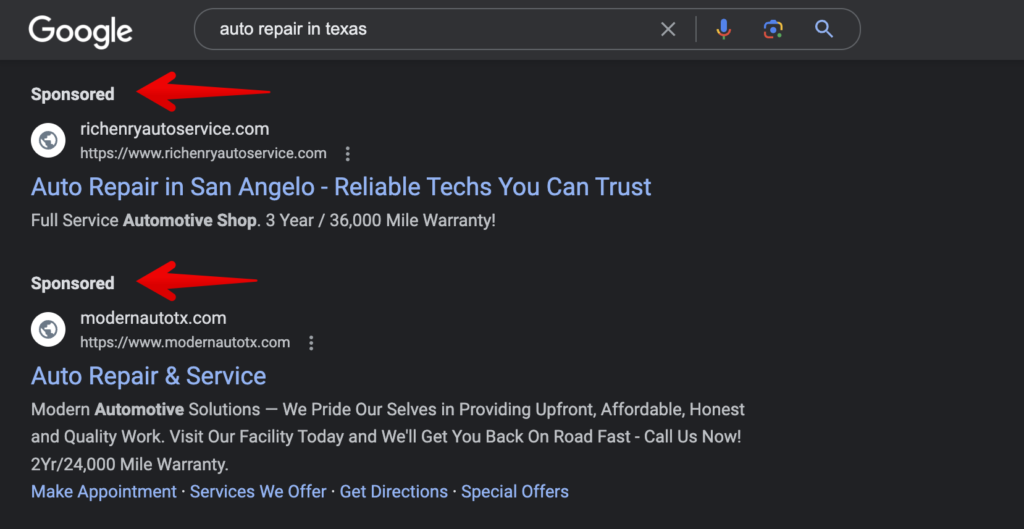
Expand visibility through hyper-targeted local PPC campaigns focused on proximity bid modifiers and location extensions. Multichannel local amplification.
With this comprehensive approach, auto parts sites can tap into growing consumer demand for convenient local parts stores to drive sustainable organic traffic and sales over the long run.
Launching an Auto Parts Blog to Boost Organic Authority

While product pages drive transactions, launching an educational blog that offers value surrounding parts, maintenance and installation builds organic visibility beyond just selling. Let’s explore core strategies for content marketing success.
1. Create Practical Content That Captivates Readers
Whether discussing step-by-step tutorials, part comparisons, maintenance guides or industry news, the blog must prioritize publishing posts readers genuinely want to consume rather than overt promotional ads. Inform, educate or entertain as the primary goal.
Optimizing posts for SEO can occur subtly through parts terminology inclusion without sacrificing user enjoyment. Feature explanatory images, videos and graphics to captivate visitors based on intrinsic interest over search traffic alone. Topic relevance earns attention.
2. Build Author Credibility Through Thought Leadership
Establish dedicated author profile pages highlighting writers’ industry backgrounds and expertise. This reinforces topical credibility lending legitimacy versus unknown scattered ghostwriters. Readers favor learning from authoritative sources rather than random contributors.
3. Strategically Implement Key Parts and Vehicle Terms
Skillfully work primary parts categories, specific components and model keywords into posts to tap into latent consumer search demand without over-optimizing. This attracts targeted organic traffic from Google without turning off readers with aggressively salesy content. Inform first, sell second.
4. Continually Measure Performance and Expand on What Resonates
Closely track engagement metrics like repeat traffic driven to site from blog links using analytics tools. Pay attention to referral keywords and conversion performance indicators tied to posts.
Double down on proven themes and topics demonstrating the highest interest based on traffic, reader involvement and sales conversions. Align future production with tangible success rather than guesses.
Over time, valuable auto parts content earns consumer trust and domain credibility to stand out against national competitors. Patience and persistence producing relevant assets pays dividends.
Advanced Technical SEO Tips to Unlock Higher Search Visibility

While foundational optimization establishes strong baseline organic performance, advanced technical tactics take auto parts websites to the next level regarding conversions, revenue, and brand authority over competitors. Let’s dig deeper into executing them for maximum impact.
Implement XML Sitemaps to Help Index Massive Product Catalogs
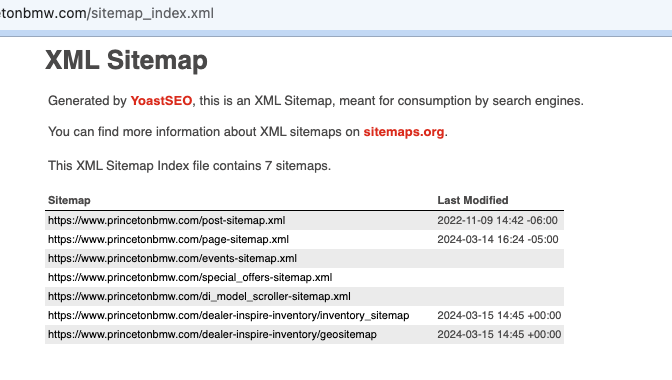
For ecommerce sites with over 50,000 product pages, relied indexing coverage through crawl budget allocation alone grows unreliable. Submitting comprehensive XML sitemaps outlines full site architecture, helping Google efficiently discover and crawl important pages at scale. This prevents critical products or categories from being overlooked and excluded.
Sitemaps should only include 200 status pages important to users. Avoid non-static URLs like session IDs or redirects. Keep sitemap indexes to under 50,000 URLs and submit new versions as the catalog evolves. Proper sitemaps aid auto parts SEO by ensuring complete indexing.
Make Detailed Parts Specifications Central to Pages
Given inventory scale, not every product can rank top for core search terms. However, accurate specifications help niche listing pages rank well for precise parts number and attribute variants. This attracts customers searching for specific compatibility needs.
Detailed specs also build buyer confidence in fitment while differentiating against competitors. Consider optimizing these sections to trigger Google’s featured snippets which gain prominent SERP placement with images above all other results. Specification visibility sells products.
Optimize Page Speed for Majority Mobile Visitors
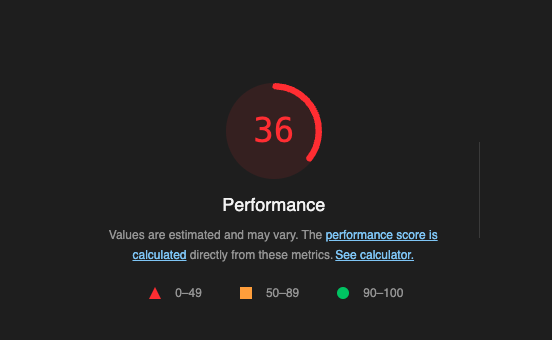
With ~60% of local searches now on mobile, slow page load times destroys conversions. Technically optimizing site speed is mandatory, as 53% exit before 3 seconds according to Google research.
Core techniques involve enabling compression, browser caching, lazy loading media, and implementing lightweight WordPress infrastructure. Test speed with Google PageSpeed Insights aiming for 90+ mobile scores to satisfy visitors. Every fractional gain boosts sales.
Choose High-Performance Managed Hosting
Budget barebones hosting often severely lags at scale, cascading site performance. Quality managed WordPress platforms like WP Engine or Kinsta blend speed with high uptime and security vital for SEO and revenue.
Auto parts shops should particularly emphasize finding hosting solutions specializing in ecommerce support at enterprise-levels. Pageload stability matters greatly.
Implement CDNs to Rapidly Serve Global Visitors
Content delivery networks (CDNs) like Cloudflare and Akamai act to cache and rapidly distribute site files from local edge servers. This enables fast global page loads important for international retailers targeting worldwide consumer demand.
Apply Structured Data to Make Product Listings Stand Out
While not directly influencing rankings, structured data markup enables pages to gain visually enhanced SERP result previews including parts photos, prices, ratings and other key details.
This differentiation helps listings appeal to searchers versus more generic results. Clicks and conversions improve when pages “pop” with snippets.
Continually testing and refining advanced SEO factors builds sustainable organic advantage that boosts brand visibility and drives sales over the long run. Master technical optimization.
Additional traffic sources for Auto Parts shop

While robust SEO delivers targeted high-intent visitors over the long-term, diversity across other channels hedges bets by capturing latent consumer demand in multiple ways. Let’s explore major options to supplement stores.
1. Google Shopping Listings Drive Direct Sales
As an ecommerce search platform, Google Shopping allows auto parts retailers to showcase relevant listings directly in results without requiring visitors to click through to sites first. This seamlessly blends the discover and purchase journey.
Product eligibility requires properly formatted product feeds with crucial data like pricing, descriptions, high-quality images and accurate inventory status. Setup is done through Google Merchant Center accounts with shopping campaigns.
Structured data further enriches listings with previews containing star ratings, part numbers and attributes. The free exposure converts serialized parts shoppers ready to buy.
2. Strategic Social Media Content Marketing
Platforms like Facebook, Instagram and YouTube unlock awareness and nurture relationships among local gearheads through regular community content beyond hard promotional ads. Real stories sell.
Hashtag segmented and geotargeted campaigns ensure maximum relevancy. Partner with regional influencers boasting engaged car enthusiast followings for added credibility.
Compelling and educational stories, not ads alone, perform best at cost-efficient audience scales. Fine-tune based on response.
3. DIY and Expert Auto Repair Tutorial Videos
Optimized video SEO leveraging YouTube ranks locally and nationally for exact how-to queries from mechanics, such as “how to install brake pads on Chevy Silverado”. Get discovered via latent demand.
Visually demonstrating repair know-how positions stores as trusted neighborhood advisors versus opaque big-box retailers. Build loyal follower bases through consistent educational value at all expertise levels.
The combination of engagement across multiple high-authority channels strengthens overall brand visibility and parts sales over relying solely on SEO alone. Balance channel diversity with integrated messaging.
Sidestepping Common Auto Parts SEO Pitfalls

While best practices optimize stores for organic success, even veterans stumble avoiding common mistakes that hinder visibility. Let’s review what to proactively sidestep.
Flawed Keyword Strategies Leave Sales On The Table
Many sites target only generic terminology despite search data revealing substantial demand for precise parts numbers and long-tail model permutations. Align priorities with actual search trends based on analytics.
Weak On-Page Optimization Fails To Capture Intent
Thin parts descriptions, excessive commercial fluff copy, and improperly optimized metadata leads to fewer clicks and lost impressions relative to the competitive landscape. Content and pages must closely match searcher needs.
Architecture Issues Struggle To Categorize Scale
Overly complex or shallow site structures alike struggle in balancing visitor navigation against catalog organization for bots. Funnel-based sitemaps help avoid indexing gaps across massive inventories.
Reliability Factors Impact Rank Consistency
Budget managed hosting and lack of CDNs hamper site uptime and page speeds which influence rankings stability. Technical foundations enable sustainable performance at scale.
Outdated and Out-Of-Stock Pages Drag Down Credibility
Failed crawl budget investment into 404 and discontinued parts pages hurts domain authority. Keep inventory indexed pages fresh, current and in-stock through ongoing hygiene and migration workflows.
Learn from missteps through experience and audits. SEO partnerships provide an outside expert eye targeting visible gaps small and large.
Quantifying SEO Success Through KPI Tracking

Optimizing without ongoing measurement provides limited insight into tangible impact. Let’s review core metrics for continually gauging program effectiveness.
Set Specific Traffic, Ranking and Conversion Goals
Rather than general “growth”, define targeted objectives for keyword rankings, monthly organic users driven, call volume from site forms and online sales influenced. This focuses efforts.
Set realistic but ambitious marks through competitive analysis – outrank top parts properties locally and secure a top three position for 50+ national parts terms within 9 months.
Establish Vital Key Performance Indicators (KPIs)
Critical auto KPIs span visibility, engagement and sales conversion:
- Total organic traffic and buyer-keyword session frequency
- Lower bounce rates and longer session durations
- Higher pages per session
- Increased lead form completions
- More calls and email response rates
- Higher ROI from traffic via sales value
Apply Platform Analytics for Insights
Built-in tools like Google Analytics accurately quantify visitor volumes, behaviors and gains by integrated marketing channel. Leverage dashboards to display progress towards predefined KPI targets.
Continually refine efforts based on real patterns rather than guesswork. Data transparency informs SEO success and future budget allotment to what delivers over speculation.
Partnering With An Auto Parts SEO Company for Sustainable Growth

Attempting to implement an expansive organic search optimization program alone while simultaneously managing day-to-day retail operations often proves extremely challenging for resource-strapped merchants. Exploring a managed partnership with an experienced industry specialist brings hard-won expertise to the table.
Comprehensive Technical and Content Optimization
At minimum, a worthwhile SEO program should encompass quarterly pillar content production, monthly technical on-page audits, weekly link building reports, and regular search analytics data syncs with Google Analytics for accurate campaign tracking. Ongoing optimization is absolutely mandatory for sustained results.
Tactics should range from site migration to speedier infrastructure, product schema enhancements and UX testing based on tracked visitor behavior. Content expansion targets buyer keywords through tailor-made guides, comparisons and niche-relevant blog posts. Expect hands-on management.
Always Ethical “White Hat” Techniques Only
Any quality agency will firmly reject shady “black hat” optimization tactics involving link networks, keyword stuffing, cloaking or other malicious technical exploits. Lasting brand visibility hinges on playing by the guidelines search engines enforce.
True auto parts SEO leadership derives from relevance rooted in positive user experience – not cutting corners. Carefully vet any vendor who suggests questionable shortcuts or downplays the importance of thoughtful content paired with ethical links. Prioritize transparency.
Proof Through Rank Tracking and Conversions Lift
Only enter contracts with Partners who establish clear baseline visibility metrics and sales levels defined upfront while providing regular automated rank reporting to quantify progress. Effective teams demonstrate execution excellence through tangible organic search rankings improvements, website traffic gains directly attributed to SEO, and a strongly positive return on investment.
If a proposed SEO solution for your automotive brand sounds too good to be true, it likely is. Achieving a top position for truly competitive terms can take 12-18 months. Beware blanket guarantees without accountability tied to your exact KPIs.
Fair and Transparent Monthly Pricing
When it comes to legitimate U.S. based specialists with years of documented auto parts SEO expertise, monthly retainers generally range from $1,500 on the very low end to upwards of $5,000 per month for premium national agencies. Be skeptical of significantly lower offshore bids – substandard execution almost always follows.
Also avoid any pressure to prepay for 6-12 month terms upfront or obscured contracts. Opt for periodic renewals so your budget aligns to regularly reviewed performance. “Set and forget” rarely serves retailers despite claims.
Through maintained SEO scaling website visibility and parts ecommerce revenue growth over the long haul, agencies complement existing omni-channel marketing capabilities rather than replace them. Carefully align abilities, expectations and costs to your specific organic KPIs and targets above all.
How To Choose The Right Auto Parts SEO Services Agency

In the increasingly crowded digital marketplace, not all vendors bring specialized search visibility expertise tailored to the expansive automotive aftermarket. Let’s review key evaluation criteria to vet and ensure ideal alignment capable of driving sustainable revenue growth at scale.
Demand Tangible Specialization in The Vertical
Shortlist Partners able to showcase multiple years of time specifically spent optimizing auto parts ecommerce websites through in-depth case studies, niche-relevant client lists and publicly visible content libraries signaling true category immersion.
Generalist agencies without a proven track record rarely move needles for retailers in this hyper-competitive space. Niche focus translates to niche success.
Seek Custom-Crafted Strategy Roadmaps Around Goals
An ideal automotive SEO extension of your team makes the effort to thoroughly learn the intricacies of your unique brand, voice, products and business objectives to craft fully bespoke solutions aligned to your profit drivers – not pre-packaged “one size fits all” templates.
Subject matter experts evolving optimization recommendations along with your emerging needs across inventory, seasonality and regional demand shifts differentiate long-lived partnerships from short-term transactional fixes.
Require Ongoing Performance Visibility with Guardrails
Beyond promptly onboarding your domain into their rank tracking platform once engaged, a worthwhile agency proactively sends periodic search visibility reports, identifies new website and content optimization opportunities through analytics and clearly explains the rationale behind proposed next steps.
The right partner enables you to collaboratively monitor and steer efforts through understandable data-driven guardrails and workflow transparency vs leaving you flying blind. Visibility builds trust and drives results over any unrealistic blanket guarantee.
MAS Group: The #1 Auto Parts SEO Agency Since 2015
As highlighted throughout this comprehensive SEO guide, successfully increasing qualified organic traffic to auto parts sites requires deep specialization in the space. Allow us to formally introduce ourselves – MAS Group – the #1 global digital growth agency exclusively focused on the auto parts SEO service since 2015.
Unmatched Category Expertise and Proven Results
With over 100 past and present auto parts clients, our team lives and breathes parts ecommerce optimization daily. Our niche focus translates into faster rankings growth, higher revenue, and better alignment tailored to the industry over generalists.
Our documented search visibility improvements have ranked clients tops for premium terms like “brake pads”, lifted smaller brands ahead of giants, and doubled organic traffic across exporter sites – all rooted in analytics and split testing. Real retail results – not guesses.
Bespoke Solutions Personalized to Each Brand
Whether longstanding product sites or modern startups, MAS Group takes the time to comprehensively audit current SEO strengths, weaknesses, and objectives before proposing strategies optimized specifically for conversion success based on searcher data. No templates – just driven growth.
Ongoing A/B testing then validates proposed optimizations to confirm positive impact toward KPIs monthly. We steer sites collaboratively to extend market leadership.
The Partner Dedicated to Your Ongoing Search Success
Our consultative approach provides complete transparency into your domain’s organic rankings performance through detailed tracking reports updated daily. Rather than empty promises, clients gain visibility to connect strategy adjustments directly to visibility gains month over month.
Consider us your dedicated auto parts SEO partner for the long run. Our industry devotion translates into more targeted buyers connecting consumers globally. Reach out to explore aligning proven top-tier agency capabilities to your brand’s organic growth plans today.
Frequently Asked Questions About Auto Parts SEO
Does SEO Actually Work For Driving Sales At Auto Parts Sites?
Yes, comprehensive SEO absolutely delivers tangible ROI when executed properly over the long-term. As buyer demand continues shifting online, owning visibility for relevant parts and vehicle search queries drives higher qualified traffic, nurtures credibility through content and transforms searchers into customers.
What Are The Core Pillars of an Auto Parts SEO Strategy?
Strategies balance technical site health factors like page speed with content production around buyer interests, local SEO for maps listings and strategic net linking profiling back to sites. Ongoing evolution ensures continuous adaptation to Google’s algorithms and consumer search trends.
What Exactly Does “SEO” Stand For Regarding Auto Parts Sites?
SEO is an acronym for Search Engine Optimization. It refers to the process of optimizing on-site and off-site elements to achieve higher visibility and traffic in organic “non-paid” search engine results pages. The goal is earning prominent positioning for industry keywords.
Which Keywords Should Parts Retailers Target Through SEO?
Data-led keyword research reveals optimal terms but core categories span both general parts terminology as well as precise product numbers, dimensions and compatibility attributes. Long-tail permutations matching searcher queries improve conversion rates once on-site.
Realistically How Long Does SEO Take To Improve Auto Parts Site Visibility?
While incremental improvements register within 30-60 days, conquering competitve searcher demand for premium terms can take 6-12 months through trust-building content, tenured backlinks and user experience refinement. SEO is an investment paid back over years not weeks. Expect reasonable timelines.
Driving More Auto Parts Customers Through SEO
As search continues to dominate how consumers discover, research and purchase aftermarket parts, implementing an effective SEO strategy must now be core to the customer acquisition process for retailers hoping to connect with this demand.
Within this comprehensive guide, we covered numerous proven approaches to tap into searches for maintenance, replacement and performance parts to provide value to gearheads while growing brand visibility and sales.
Key highlights include:
- What SEO is and why optimizing for organic research delivers ROI
- Technical and content roadmaps to optimize from the ground up
- Advanced tactics like site speed, Google Shopping and video
- Measuring via goal-aligned KPIs for maximum impact
- Choosing the right agency partner to simplify execution
I hope this deep dive not only opened eyes to SEO capabilities but also equipped site owners big and small to begin improving discoverability through smart incremental effort.
The strategies explored apply both for regional shops targeting hometown car enthusiasts to national parts ecommerce brands fulfilling orders globally. Depth of inventory is no longer enough. You must meet consumers where they search.
With consumers only increasing their online parts buying activity year over year, the time is now to evaluate your SEO approach, address site visibility gaps and position your brand as an authority within this rapidly expanding channel.
The retailers who act quickest capturing search visibility for high-intent queries will reap outsized rewards over slower movers chained to legacy channels. My expertise is here for anything I can clarify moving forward!
will contact you

In the near future, our manager will contact you.